Background
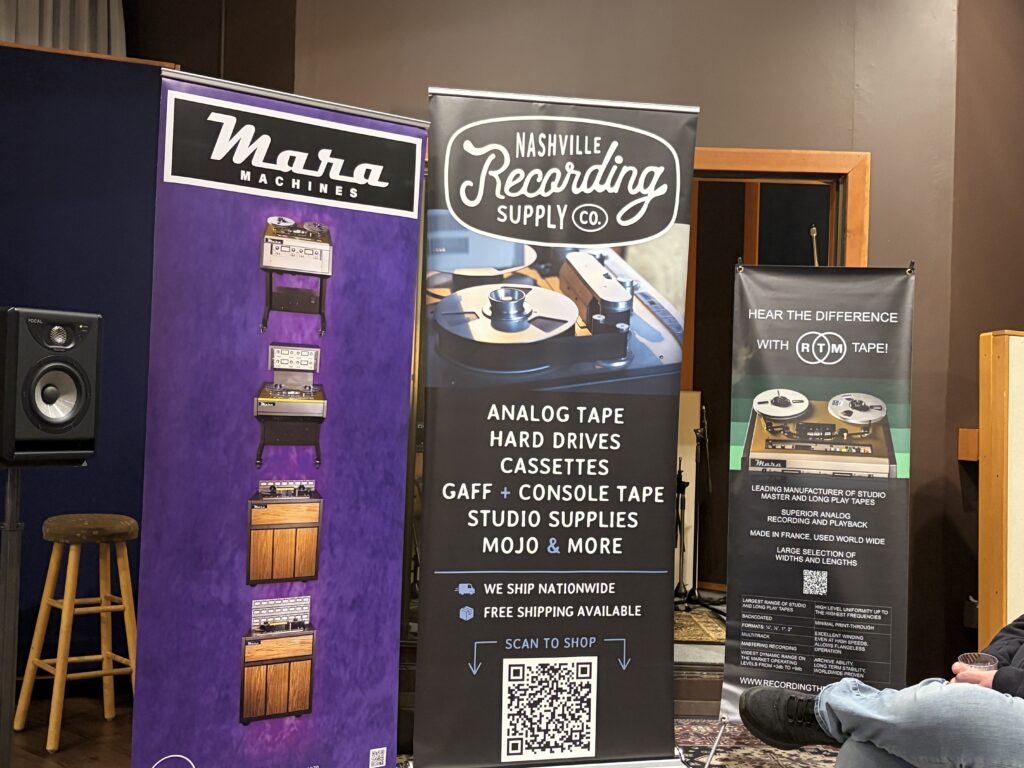
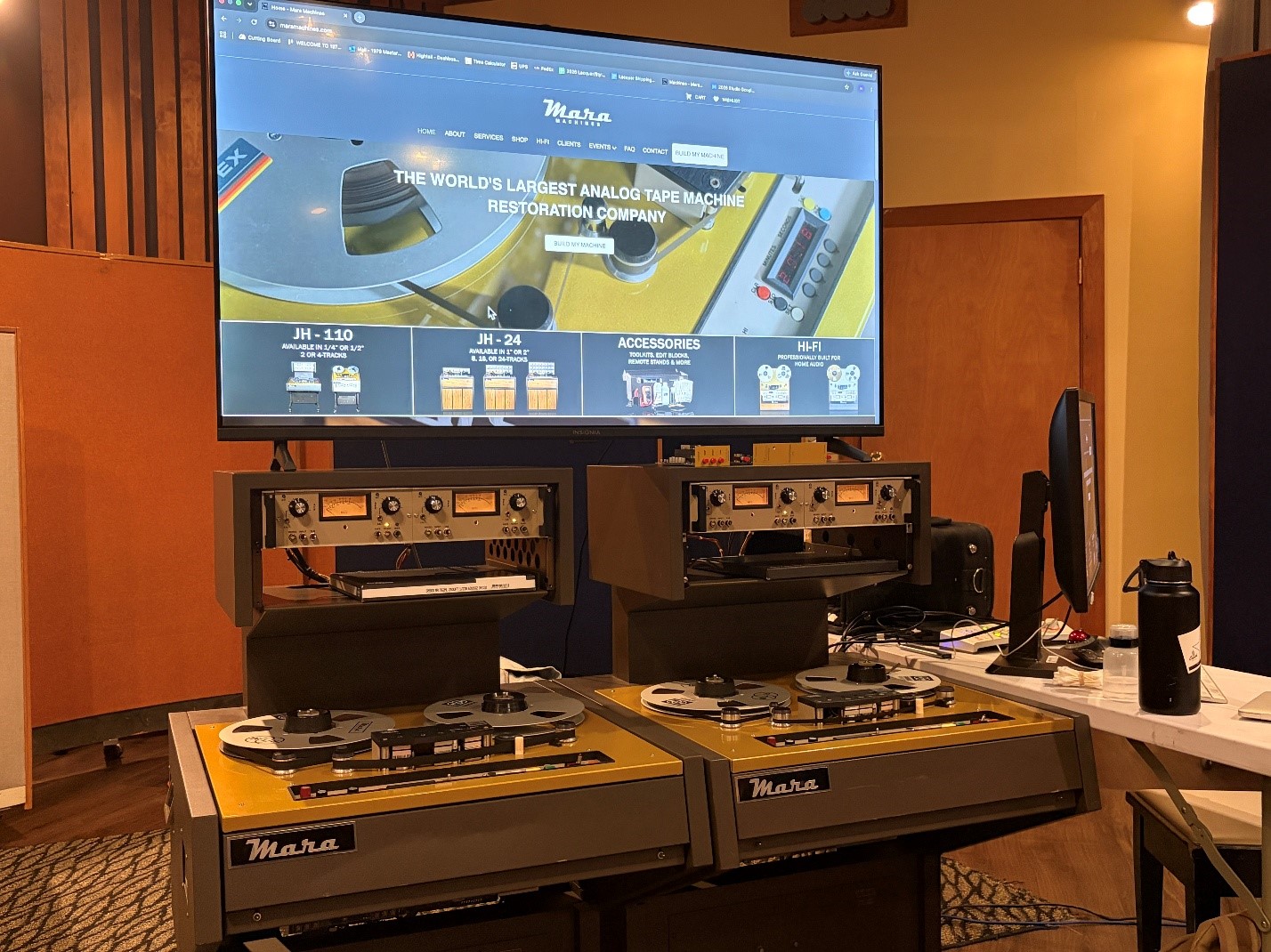
For those not familiar, Chris Mara owns Mara Machines, and ‘Welcome to 1979’, a recording studio in Nashville, Tn. As of last year, 2025, Chris did a Mara Machines ‘Reels on Wheels’ tour through a part of the US, demoing his tape decks, but in 2025, he didn’t come near the Pacific NorthWest. In 2026, he announced that he would be coming to Avast recording studios in Seattle, so I signed up to go, as it nicely tied into a road trip I had been planning.
Chris specializes in rebuilding MCI and MCI/Sony machines, particularly the ‘C’ versions of the 2 to 8 track JH-110 decks, as well as the larger format JH-16 and JH-24 multitrack models. He and his staff know these machines inside and out, and restore them back to the level to that they were when originally sold.
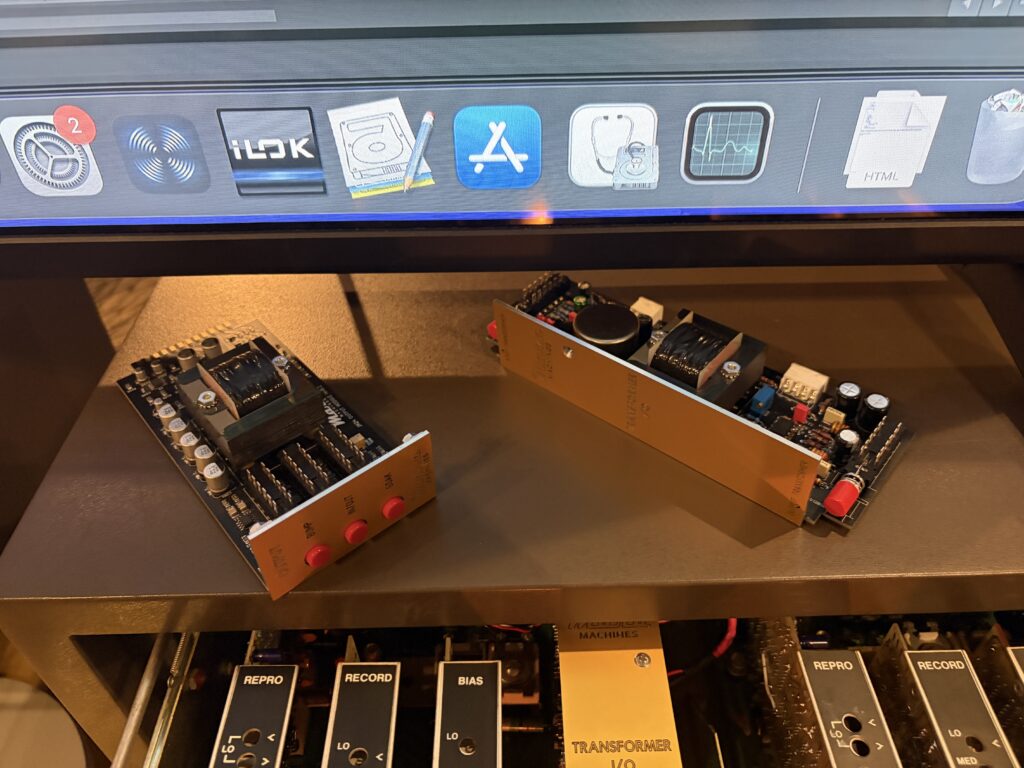
They’ve even designed and manufactured replacement boards for the transport of the MCI decks, using surface mount parts, and all new components, which are a plug and play replacement for the aging boards in the decks. Chris only services and supports machines that he sells, and does not take in MCI decks for servicing. Mara Machines sells between 35-50 decks a year, and has been in business for right around 20 years.
While I’ve serviced a number of MCI decks myself, Chris did outline why he chose to rebuild MCI decks over any other brand. The one thing I noticed is that the early versions of the MCI decks typically had production changes, which is why the JH-110A, B and C models came out over a number of years. As Chris said during the meeting ‘in the 70s, new innovations were coming out every year to 18 months or so, thus the various revisions, but by the time the ‘C’ version came out, things were stable, and parts were interchangeable between machines without any mods being needed’. So that’s what Chris concentrates on, the later model MCI decks.
Sony bought MCI in 1982, and used some of the technology from MCI, to bring out their own highly regarded (but complex!) decks, the APR-5000 series line. Rumour has it that Sony stole the ceramic capstan motor shaft design from the MCI acquisition.
The Seattle Event
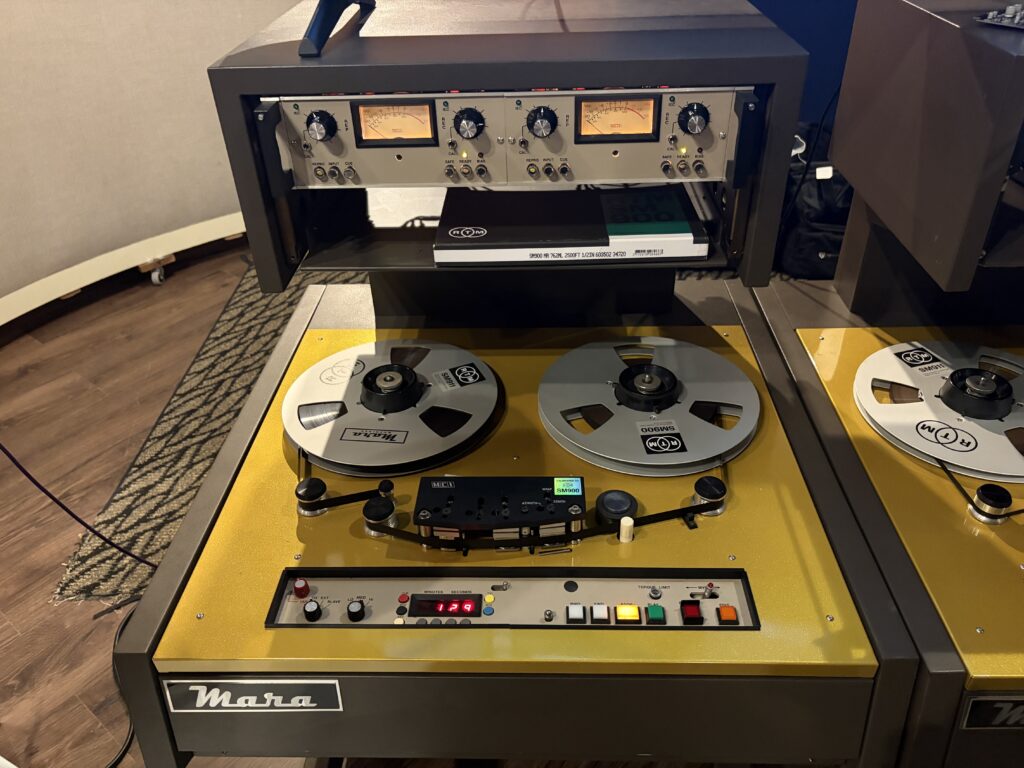
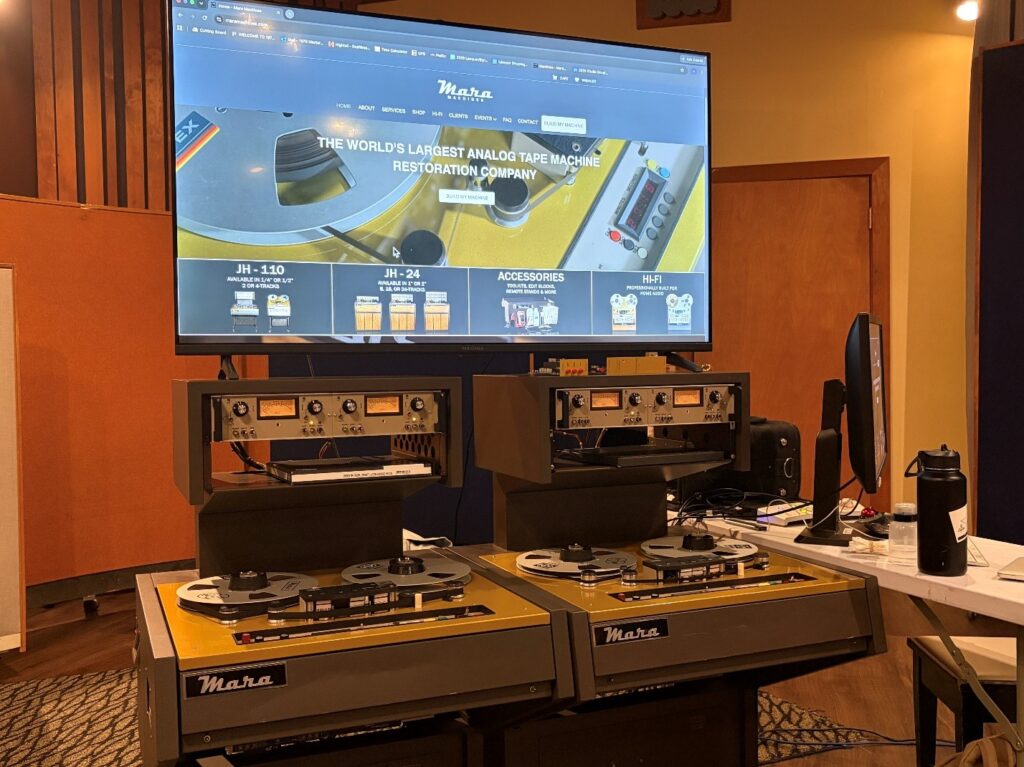
The Seattle date of the “Reels on Wheels” road trip took place on Weds, Sept 30, at Avast Studios in the north part of Seattle. Chris brought two machines with him, a 2 track, ¼” deck, with all original boards in it (fully serviced and rebuilt), and a 2 track ½” deck, with all new Mara Machines transport boards in it. He also brought a digital multitrack playback and recording suite with him (ProTools). The monitor speakers were a highly regarded ‘Focal’ brand, found in many studios.
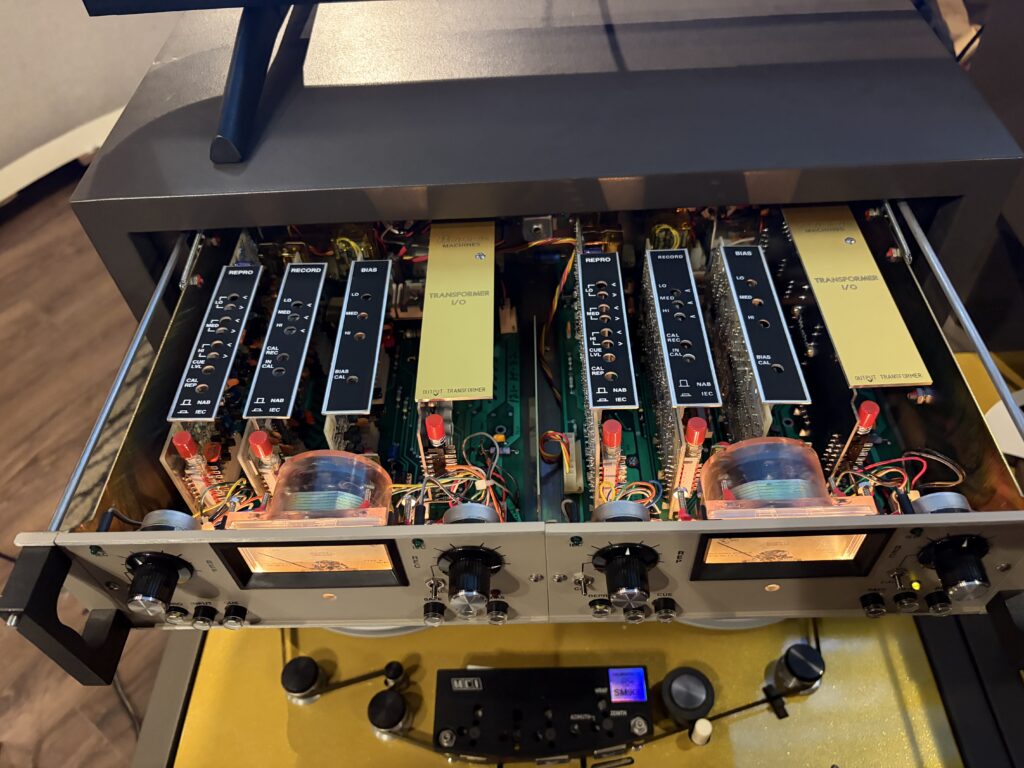
The first part of the show was Chris explaining what Mara Machines was all about, the work that they did to the decks, and what the demos themselves were to be about. I chatted with Chris for a few minutes before showtime, and he explained that other than recapping, and adding a transformer board option to the deck, the audio boards remained stock. His reasoning for not designing new boards, is that most users would question that the sound quality would change with a new design over the original 50 year old versions, and thus would have less acceptance than the stock MCI boards.
Demonstration # 1
As Chris stated, since digital recording wasn’t available when these Mara Machines were designed, they originally were only used to record and play back tape in a recording studio. With the advent of digital recording, Chris demonstrated some uses of tape that they weren’t designed to do, to bounce tracks from the digital domain, to the analog realm, and then back into digital.
Now, while I know about ProTools and other digital recording programs, I personally have only used an ancient DAW (Digital Audio Workshop) called SAW Plus, that I ended up winning at a NAMM music trade show way back around 2000. I still have it, and the PC computer that it runs on, using Windows 3.11 still works. Since I spend all of my time working on 40+ year old reel to reels, I am far from an expert on all of the current offerings in the digital world for recording studios, so I learned a lot from this event.
I get lots of music engineers and producers that come to me to buy tape decks, to ‘bounce’ tracks from digital media to analog tape, and then back into the digital medium. All of my clients say that the analog recording ‘warms up’ the sound of a digital recording, but I had never done a complete A/B comparison here in my shop, so I was curious to hear this in person.
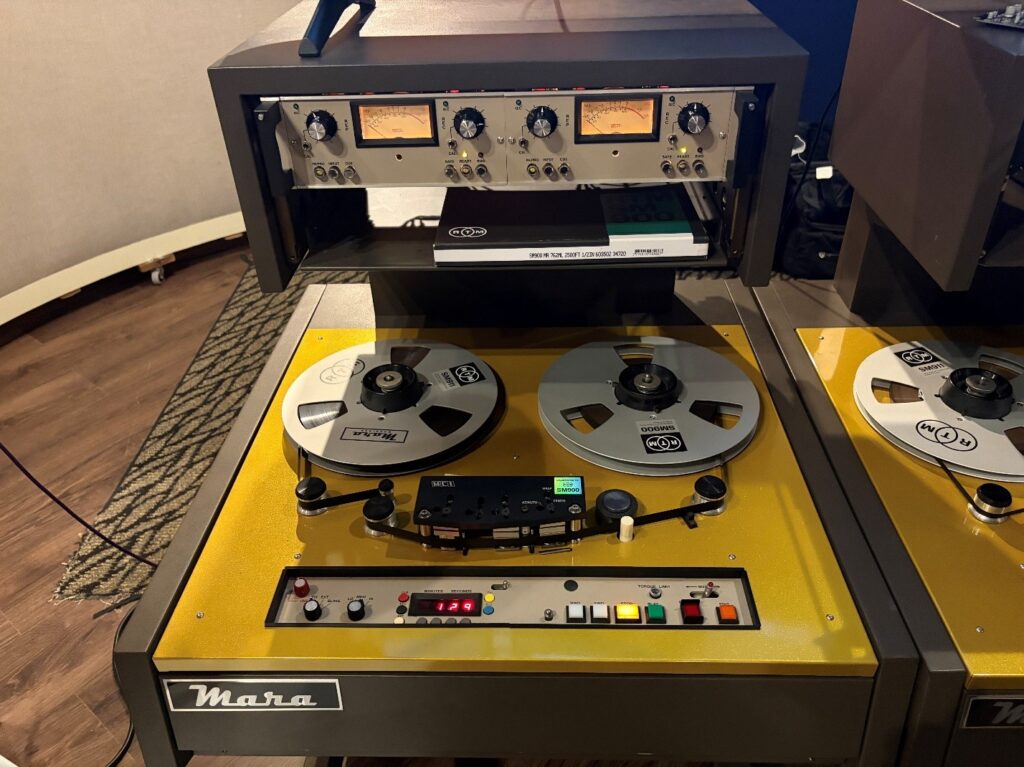
Chris had an audience member that had never used a tape machine before to operate the transport controls, while Chris cued up music in Protools. The Protools digital unit was a full multi-track setup, so Chris could isolate various instruments to send to the tape decks.
The decks were set up for RTM 900 tape, the only +9db tape made today, and it’s great for all pro machines like the Mara units.
So what Chris did is send the snare drum track from a recording that we were listening to, into the tape deck, and back into the mix. It was only the snare drum hits and fills that were sent to the tape deck. With the flexibility of ProTools, he was able to compensate for the delay in the recorded tape (which Chris explained), and we were able to listen to the tape playback of the snare drum in real time, while the rest of the instruments and the mix remained within the digital tracks.
The difference was there, no question. It was subtle, but for the first time, I heard a real time comparison between a digitally recorded snare drum, and one that had been fed through a tape deck. Now, granted, the entire recording, including the bounced analog snare drum, ultimately remained digital during the playback, but you could still hear the difference. Chris then demoed different speeds, and switched between the ¼ and ½” tape machines, and each one had a very slightly different ‘flavor’ during playback. This was due to differing frequency responses at the differing speeds of the deck, as well as things like the tape saturation point came into play.
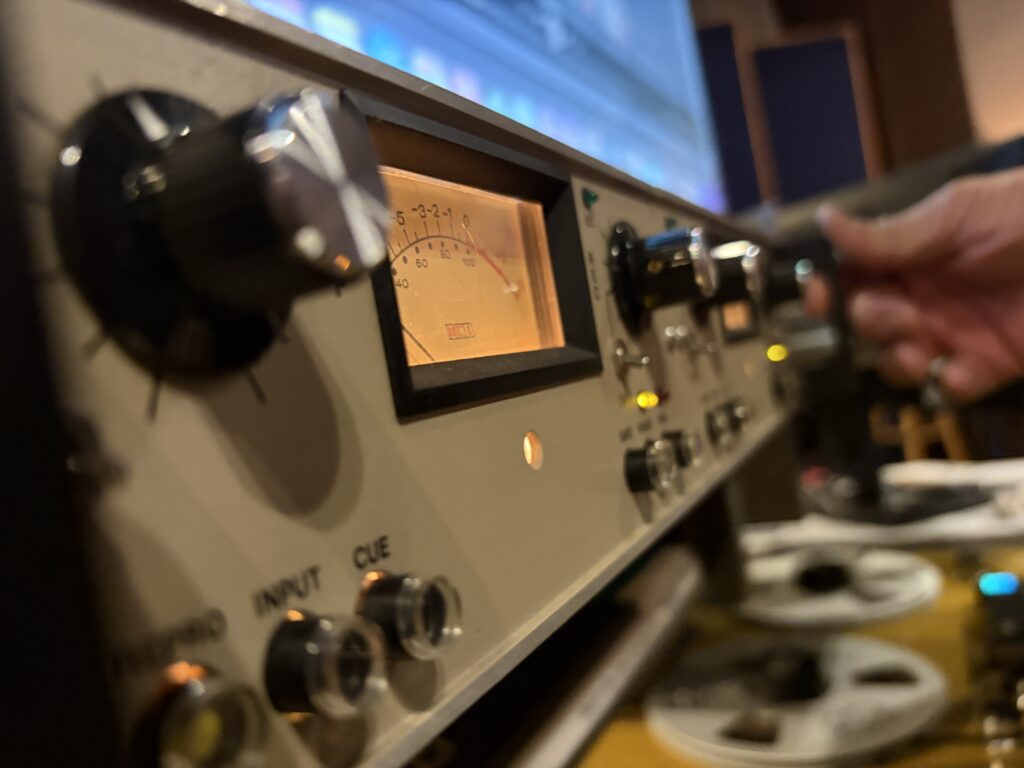
Chris also demonstrated the sound of the snare drum when the tape was hit really hard (VU meters pinning off the end of the meter scale), and how the snare drum sound changed as a result of this. Again, never having done this in my shop, it was an eye opener to hear this first hand.
Demonstration # 2
With the first part of the demo being completed, Chris then switched to playing a full audio track through his sound system, with the entire audio track being bounced between the ¼” and 1/2” decks, at 15 and then 30 IPS. The track was a pop song by Lady Gaga. Chris then toggled between the original digital source, the ¼” machine, and then the ½” machine. As the song progressed, he toggled between each source several times, so that the 20 or so of us in the room could choose which source sounded the most appealing. He then took a head count as to which source sounded the best.
A couple of people chose the original digital recording, not run through the decks. Most people chose the ¼” deck, and a few chose the ½” deck. Overall, the ¼” deck had a slight boost of the bass (2.75db, if memory serves correctly), whereas the ½” deck was more flat with the frequency response. I chose the ¼” tape as having the best sound quality.
At 30 IPS, the choice was more difficult, as there was less of a difference between the three choices (in my opinion) than at 15 IPS. I still chose the ¼” deck as having the best overall sound.
Now granted, there were many other variables that could have been introduced into the demonstration, and we could have been there for many more hours. For example:
– It was apparent which source we were listening to, as it showed on the large screen display, which one was selected. Had this been done off-screen, so we wouldn’t have known what the source was being played, would the results have been different by us end listeners?
I am not a big fan of Lady Gaga, although let’s face it, the vast majority of music that is popular today is pop music. The second track used was from an artist that I wasn’t familiar with, a more acoustic guitar, ‘Americana’ type of song.
– The primary source could have been a multi-track reel to reel deck, so that the source stayed analog, and then bounced onto the 2 track mix-down decks, versus a mix-down into digital, and perhaps the results would have differed again.
To me, whether you’re a producer or engineer in a pro recording studio, or in a smaller home studio, or just an aficionado of music as an end user, the Reels on Wheels road show is well worth attending. Chris is open to answering any type of question from the audience, either during the demos, or afterwards, in a 1:1 discussion. Highly recommended.
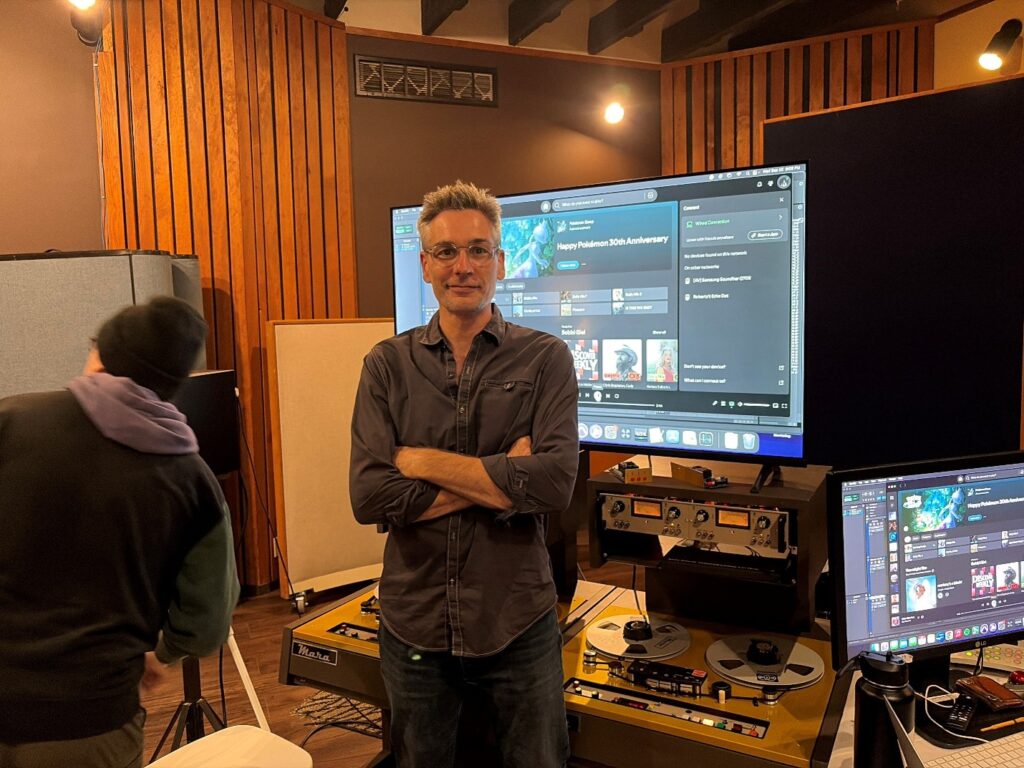
Avast Studios
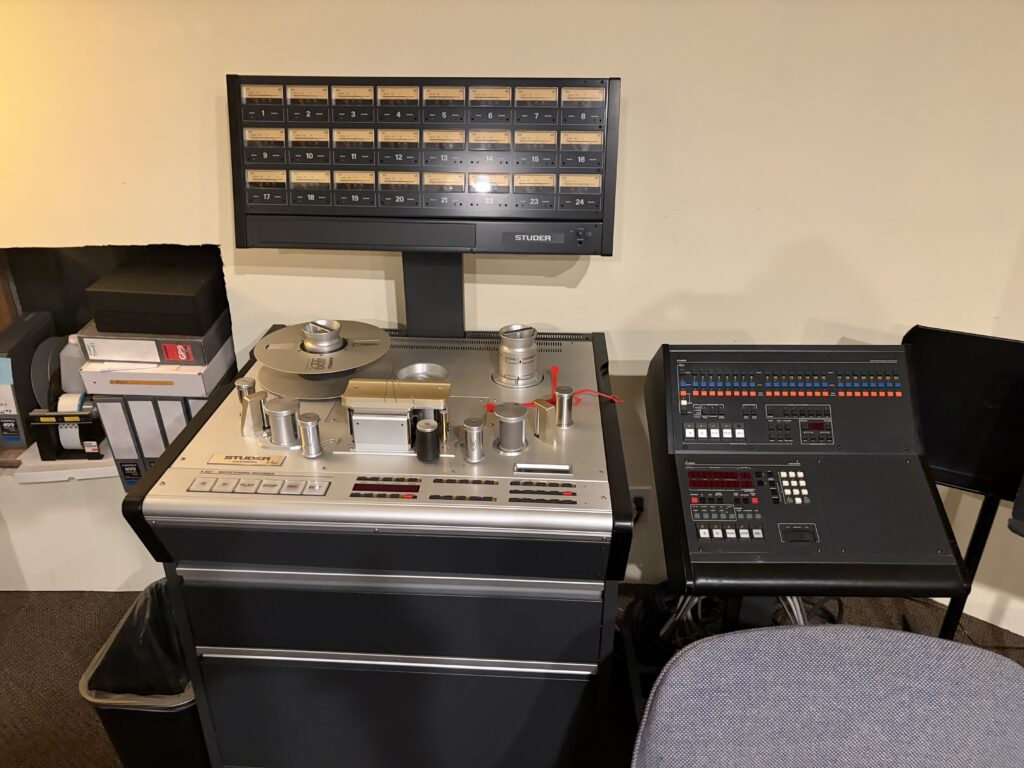
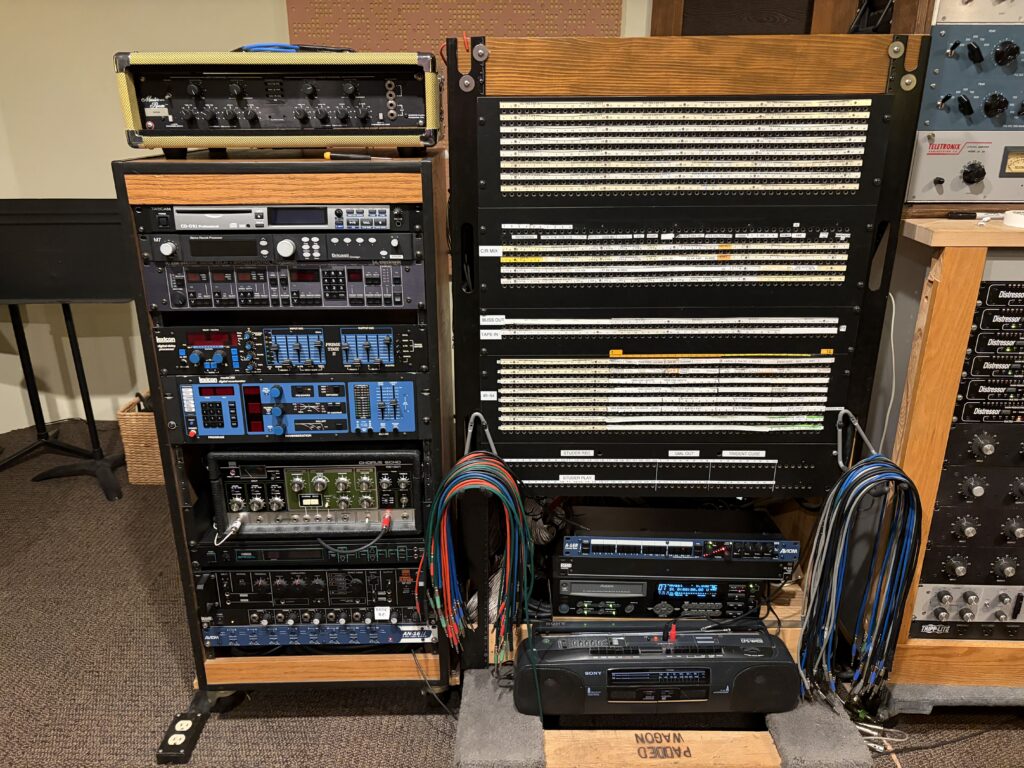
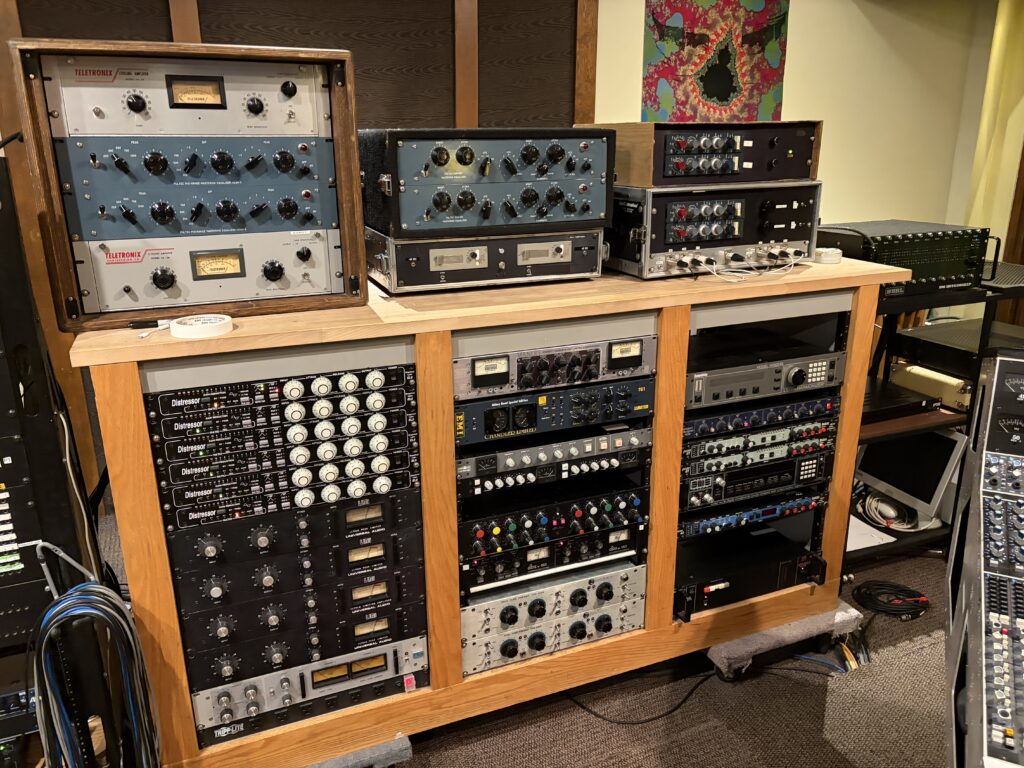
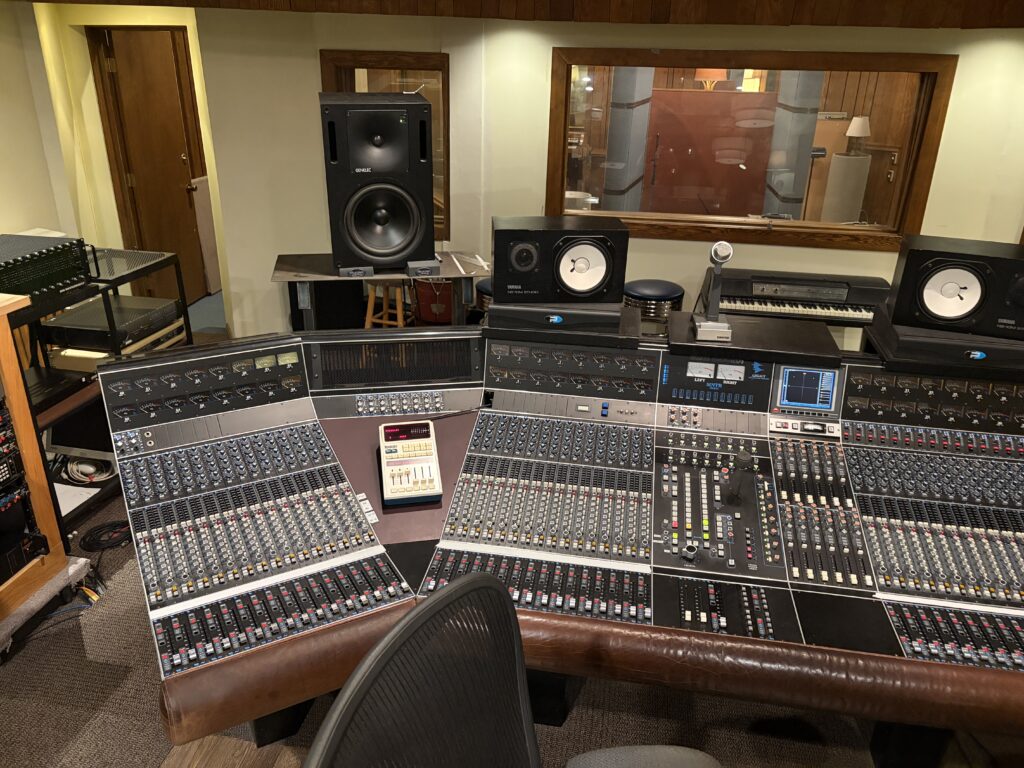
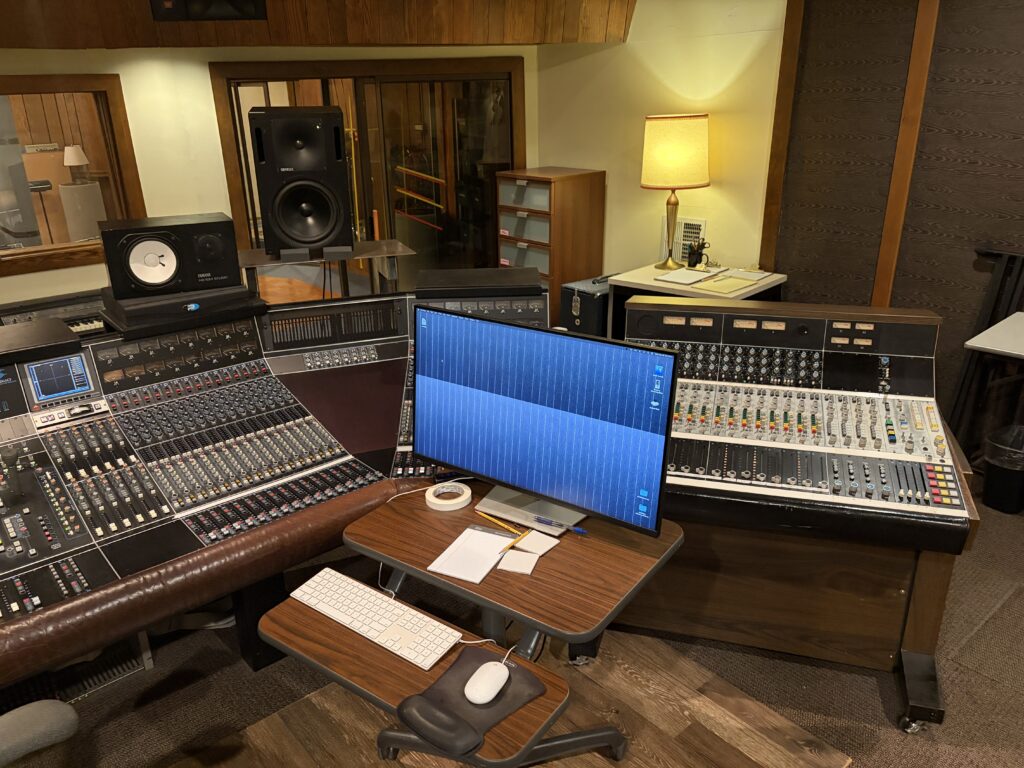
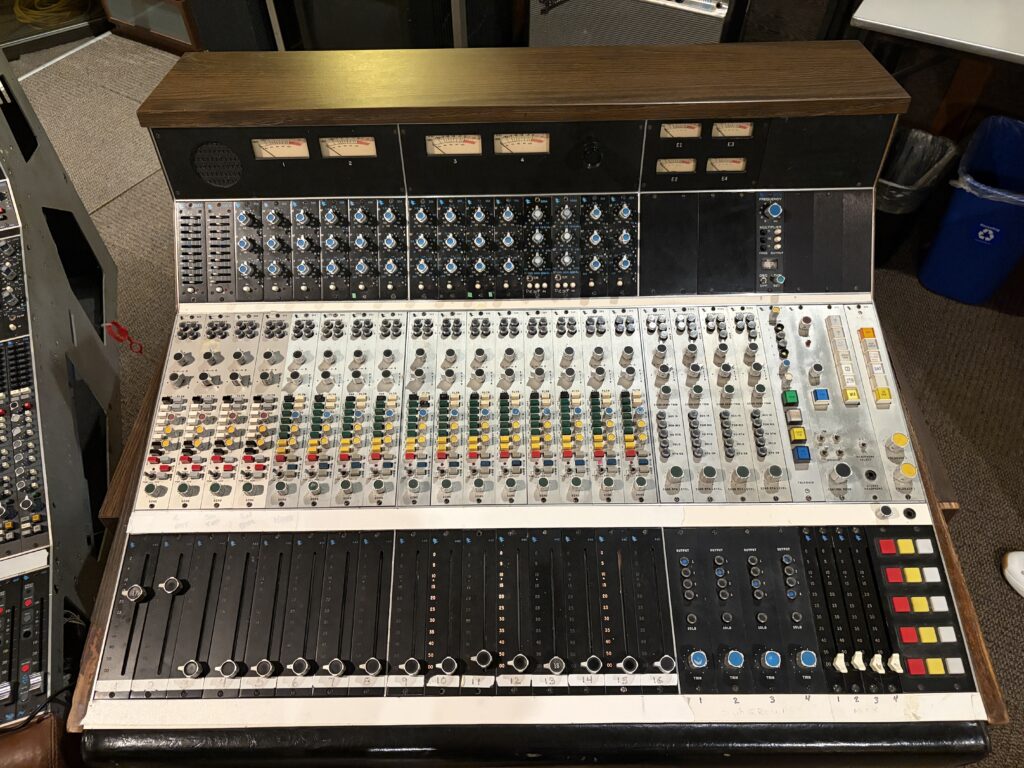
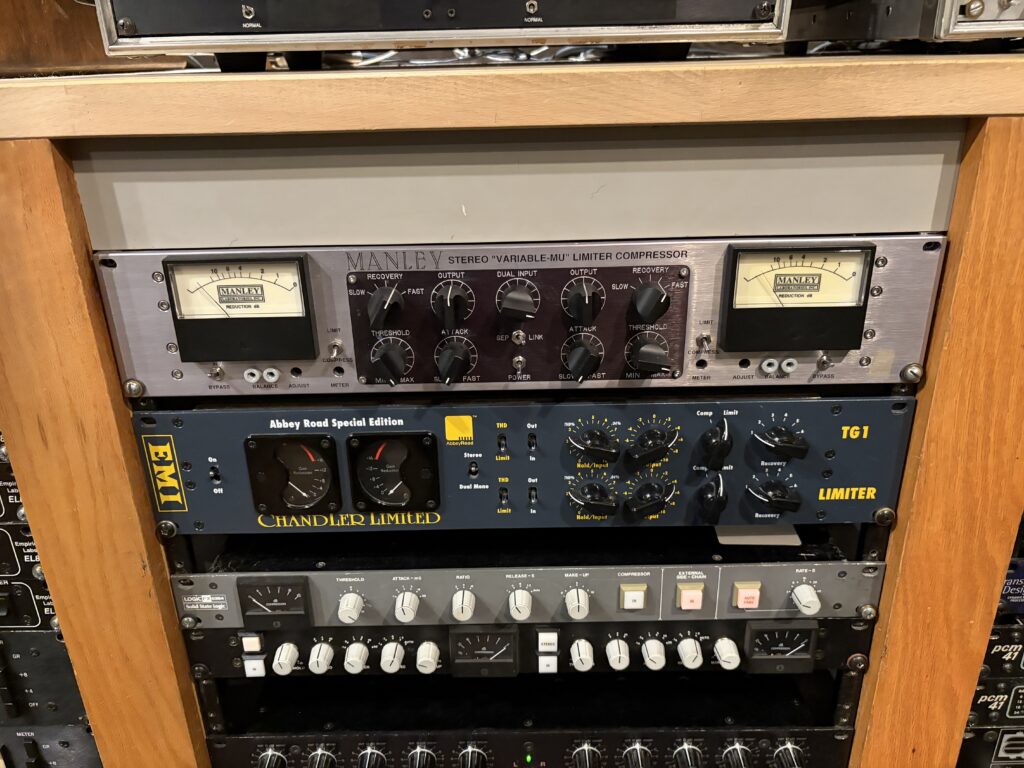
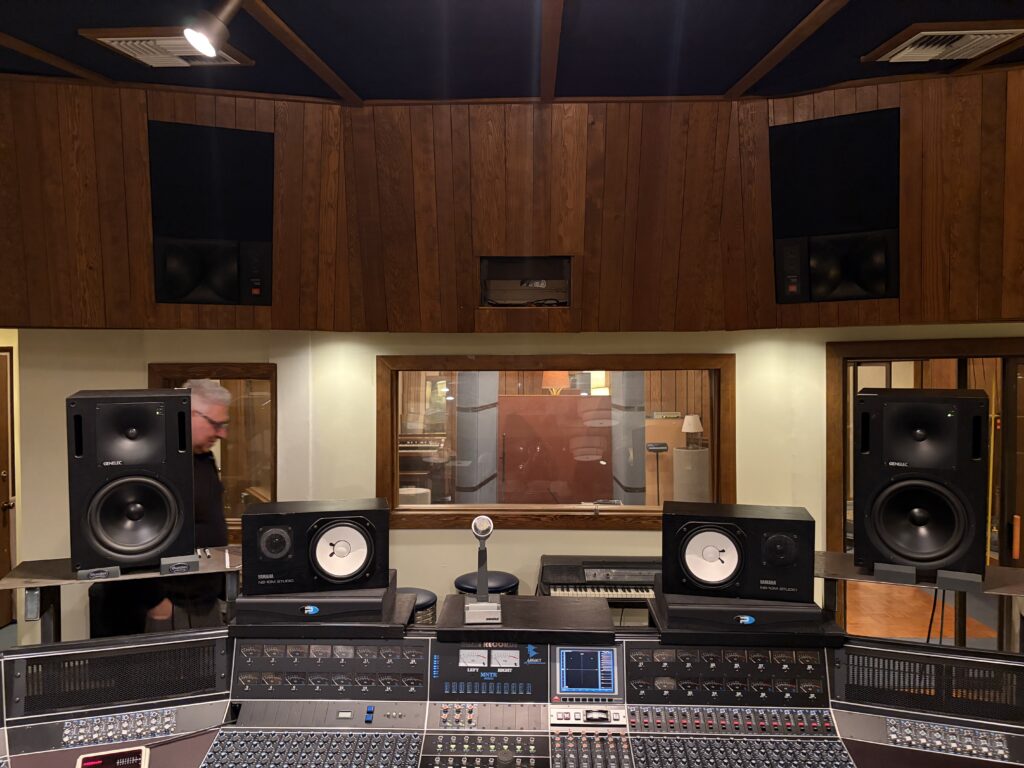
While the Reels on Wheels didn’t use any of the recording equipment that belonged to Avast Studios, Chris brought all of his own equipment, the amount of quality gear, including a Studer A827 and tons of rare and vintage outboard gear was to drool over. The pictures below are shots of the main studio. Enjoy!